
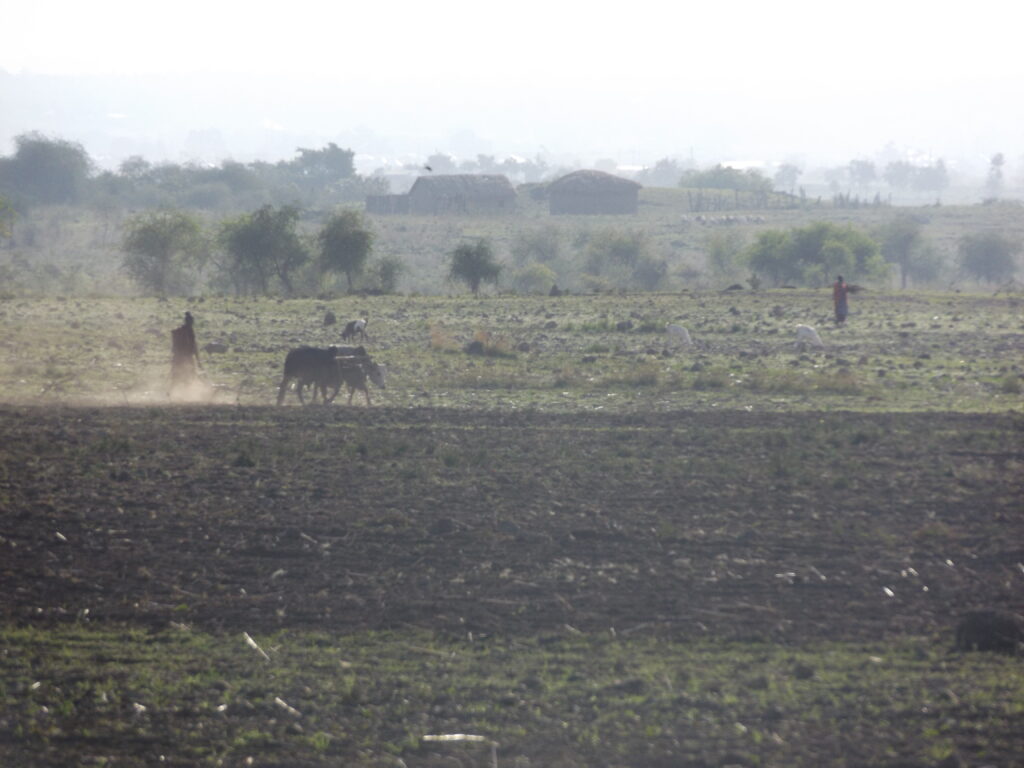
Drought
Longer dry seasons kill grass and cattle, the family's main source of wealth.

The Maasai are one of East Africa's best-known peoples, famous for their red shuka cloth, brilliant beadwork and a way of life built around cattle, on the plains beneath Mount Kilimanjaro. Our founder, Angel Mollel, is Maasai. These are her people.
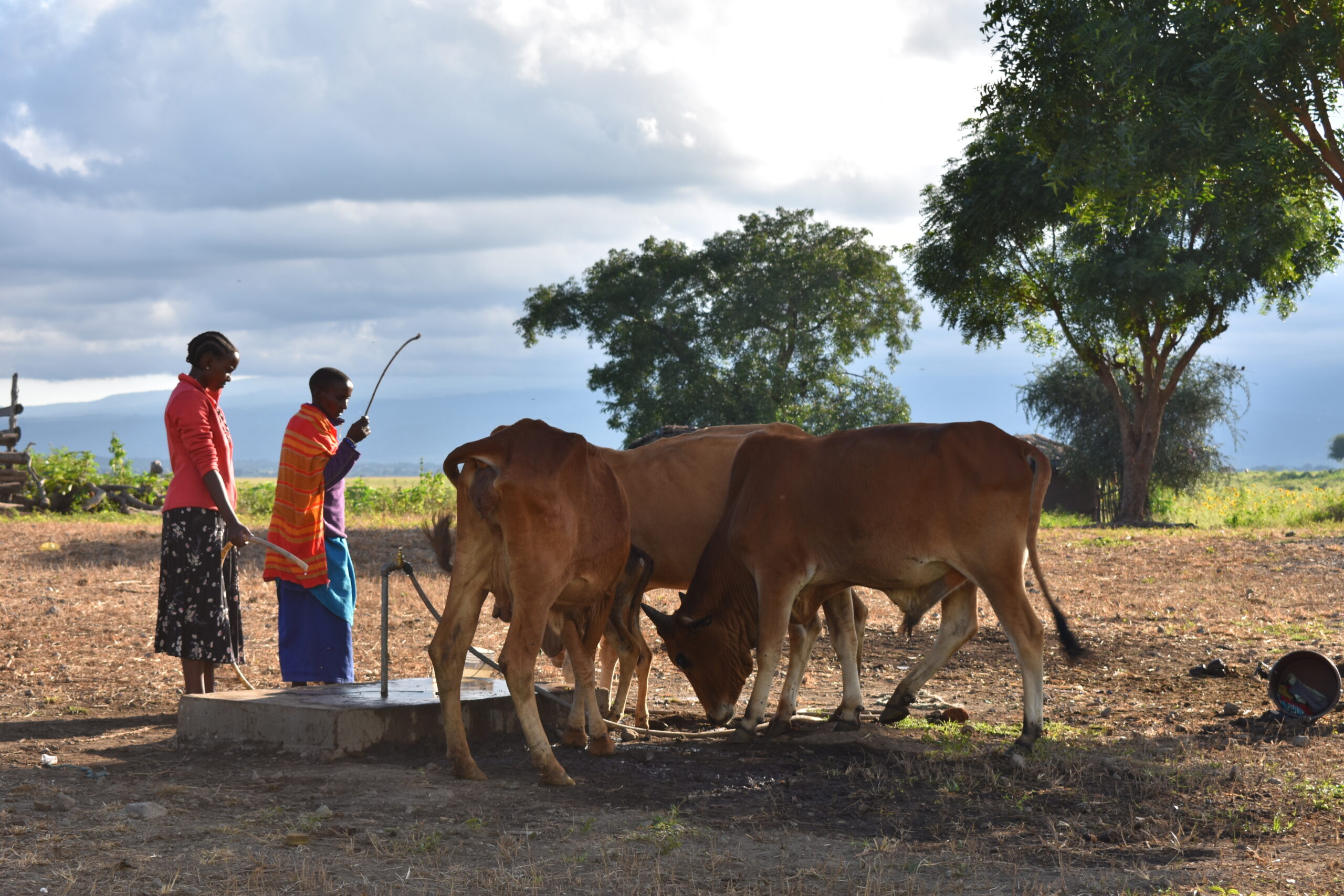 Herders and their cattle
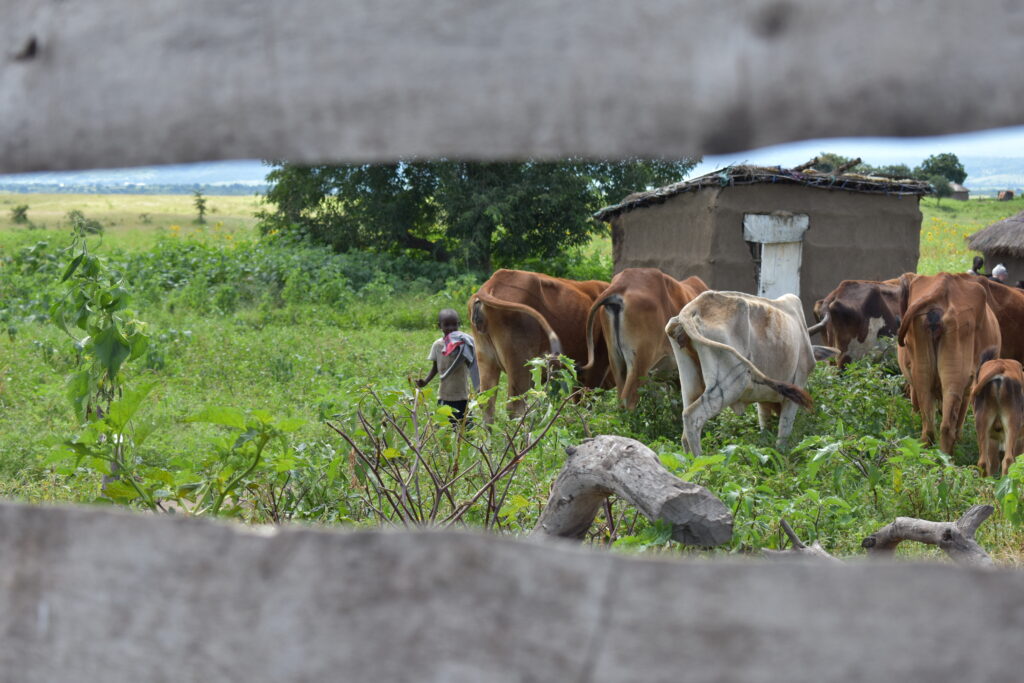
The Maasai are traditionally semi-nomadic herders. Families move cattle, goats and sheep across the plains to find grass and water as the seasons change.
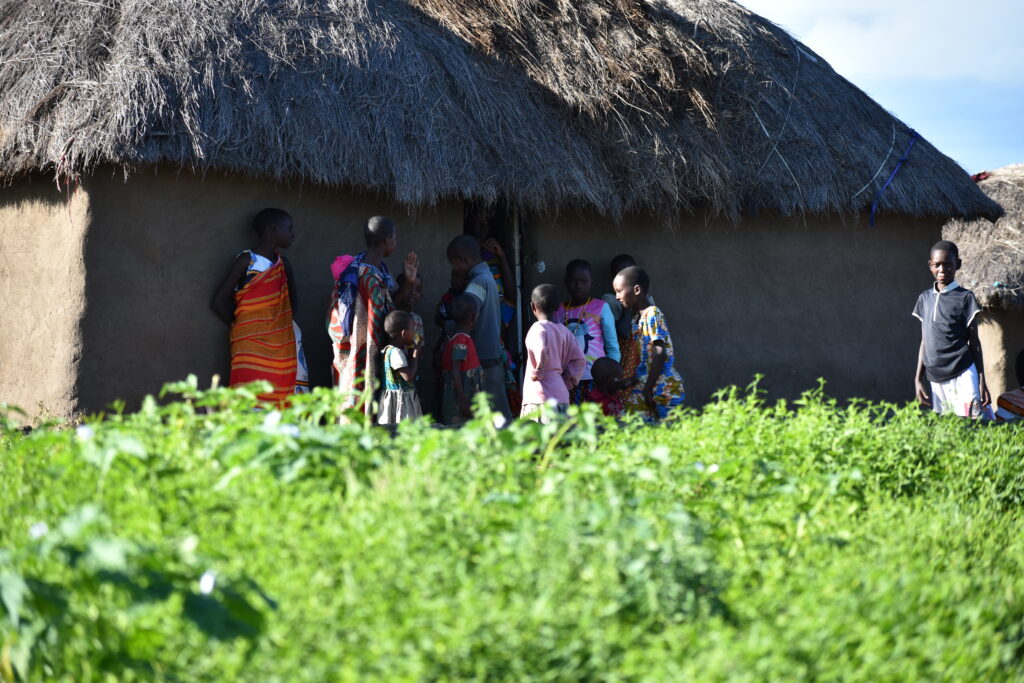
Families live in a homestead called an enkang, a ring of small round houses protected by a thorn fence. Women build the houses from wood, grass, mud and cow dung, and the livestock sleep safely in the center at night.
Life is organized around age groups. Young men become ilmurran (warriors) who protect the community, and elders guide its decisions.
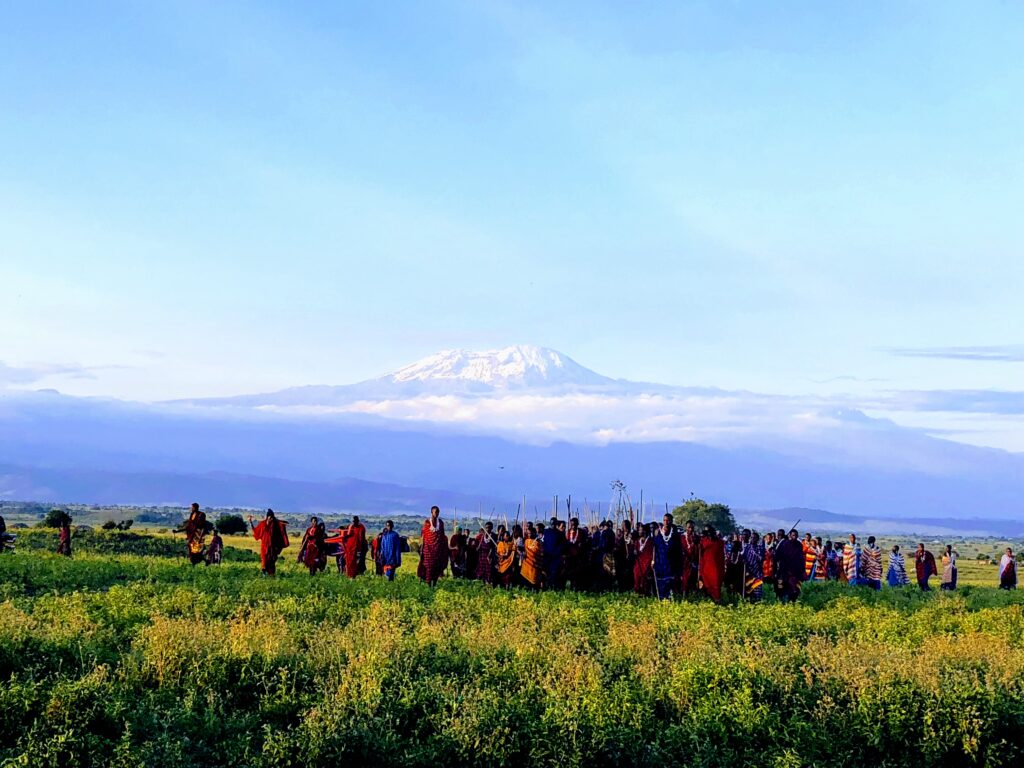
Kilimanjaro towers over the plains where many Maasai families live and graze their herds. The Maasai call it Oldoinyo Oibor, the white mountain, for the snow on its peak.
Snowmelt from its slopes feeds the springs and rivers that people and cattle depend on. Our village's water line carries Kilimanjaro snowmelt right into the heart of the village. As the glaciers shrink and droughts grow longer, that water is less reliable. It's a big reason we dig wells.
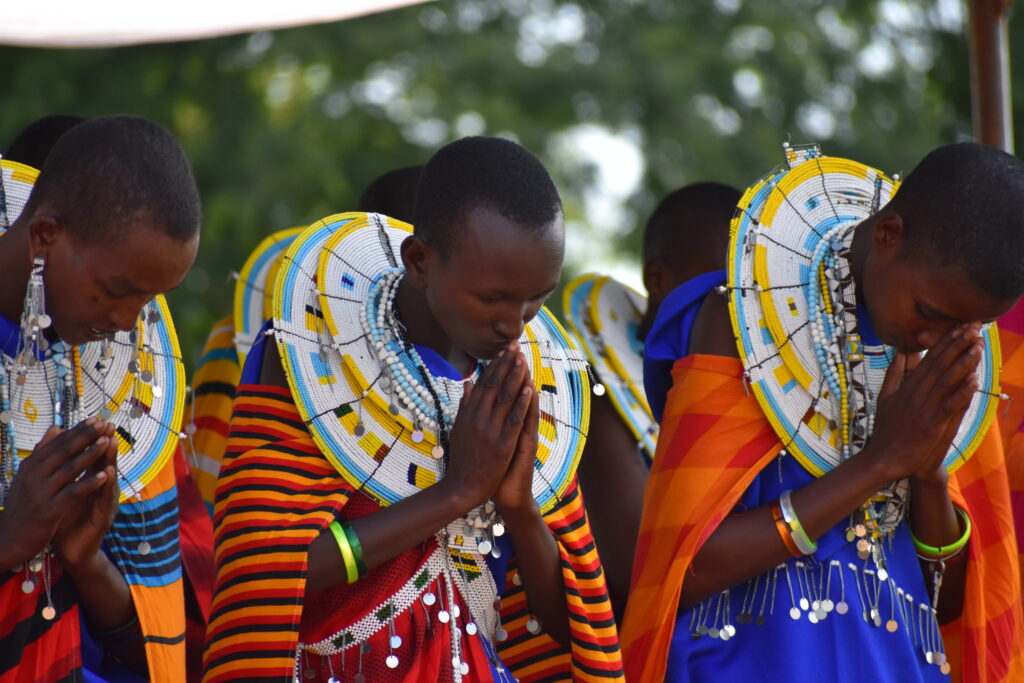
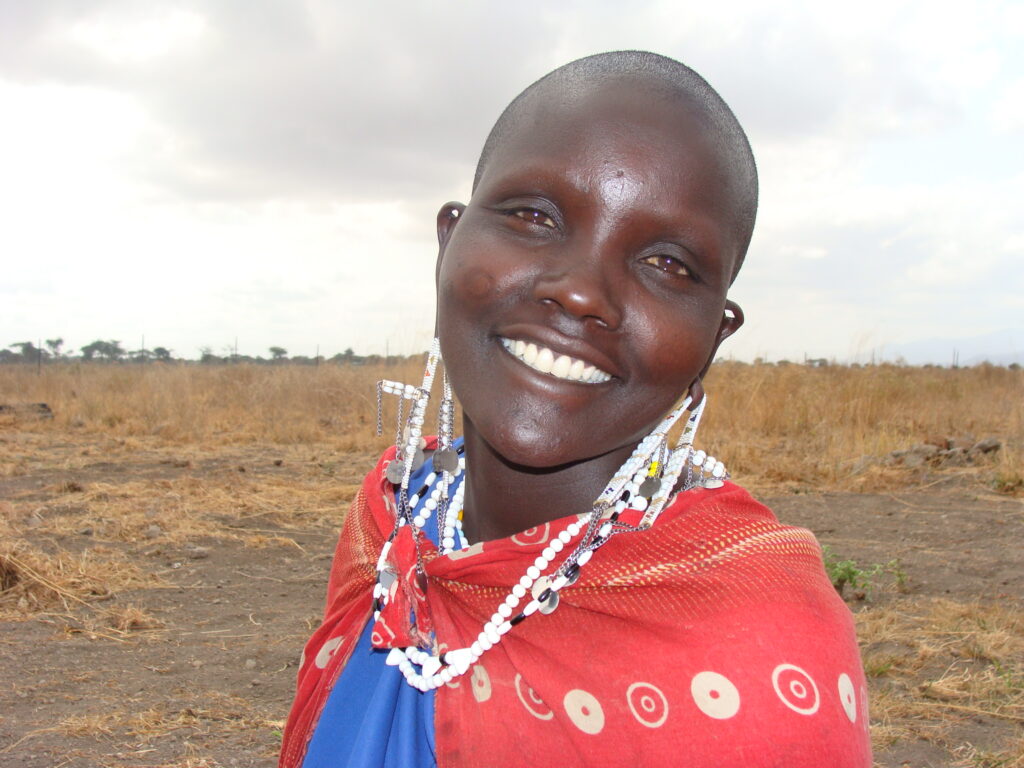
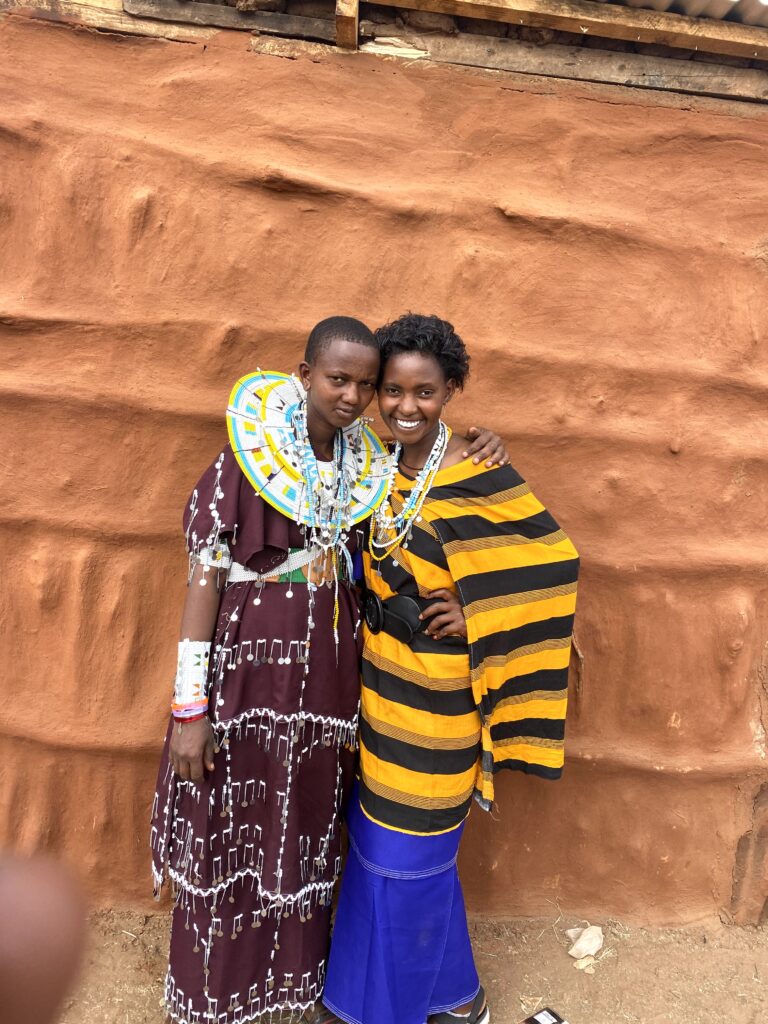
Maasai women are master bead artists. Collars, earrings and bracelets show age, status and family, and each color carries meaning. These are the meanings most often shared.
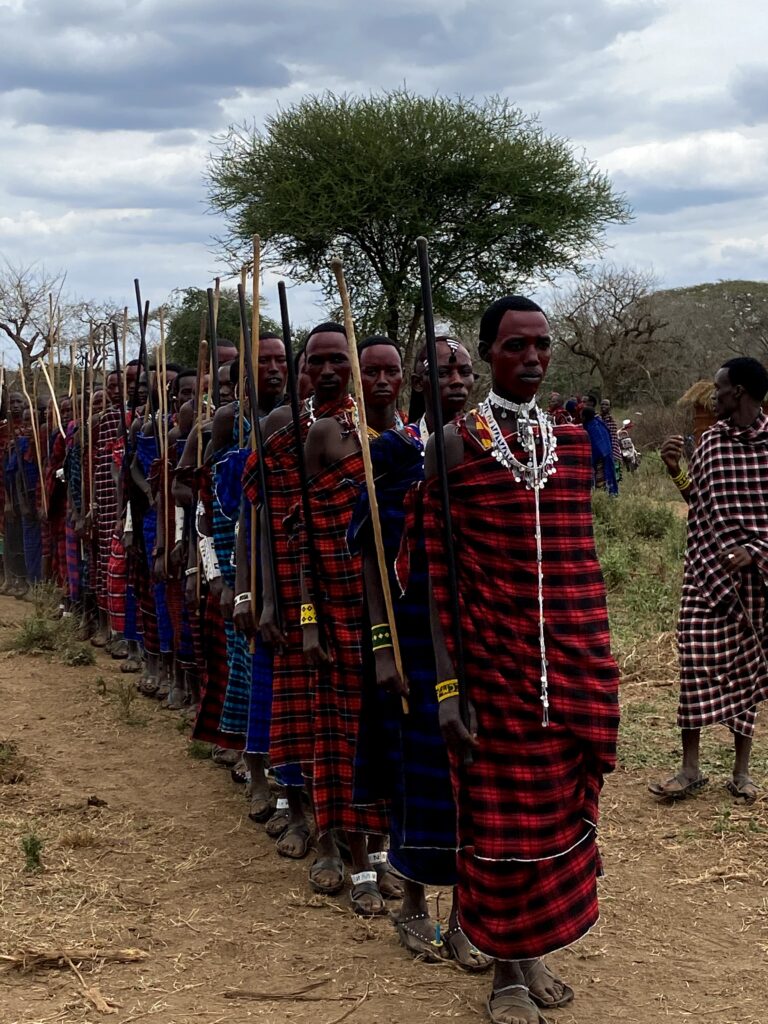
The bright red, checked cloth wrapped around the shoulders is the shuka. Red stands out across the plains and is tied to strength and courage.
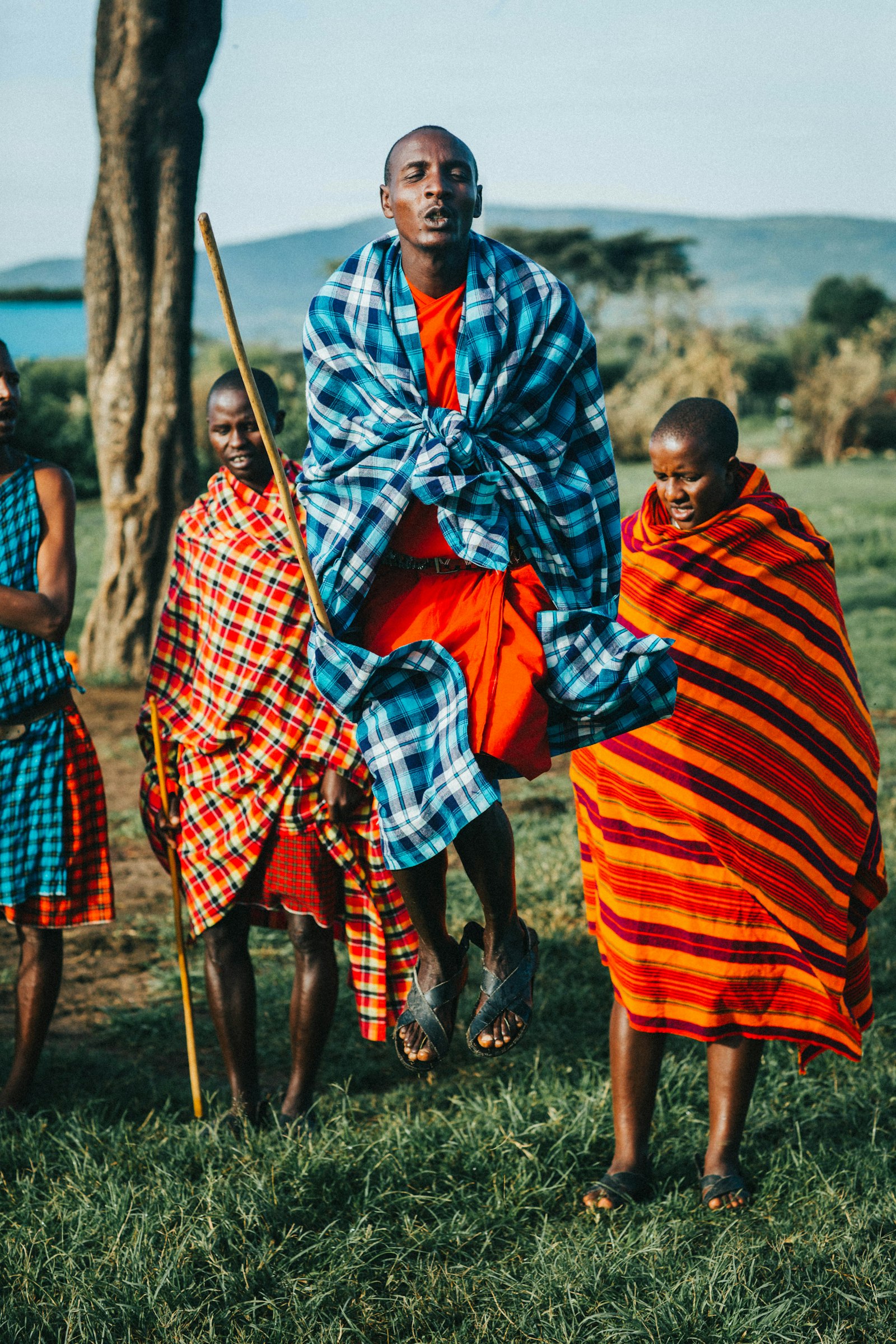
In the famous jumping dance, young warriors take turns leaping straight up while the group sings around them, a celebration of strength and community.
Photo: Ana Singh / UnsplashMaasai families want to keep their traditions and give their children new opportunities. Several challenges stand in the way.
Longer dry seasons kill grass and cattle, the family's main source of wealth.
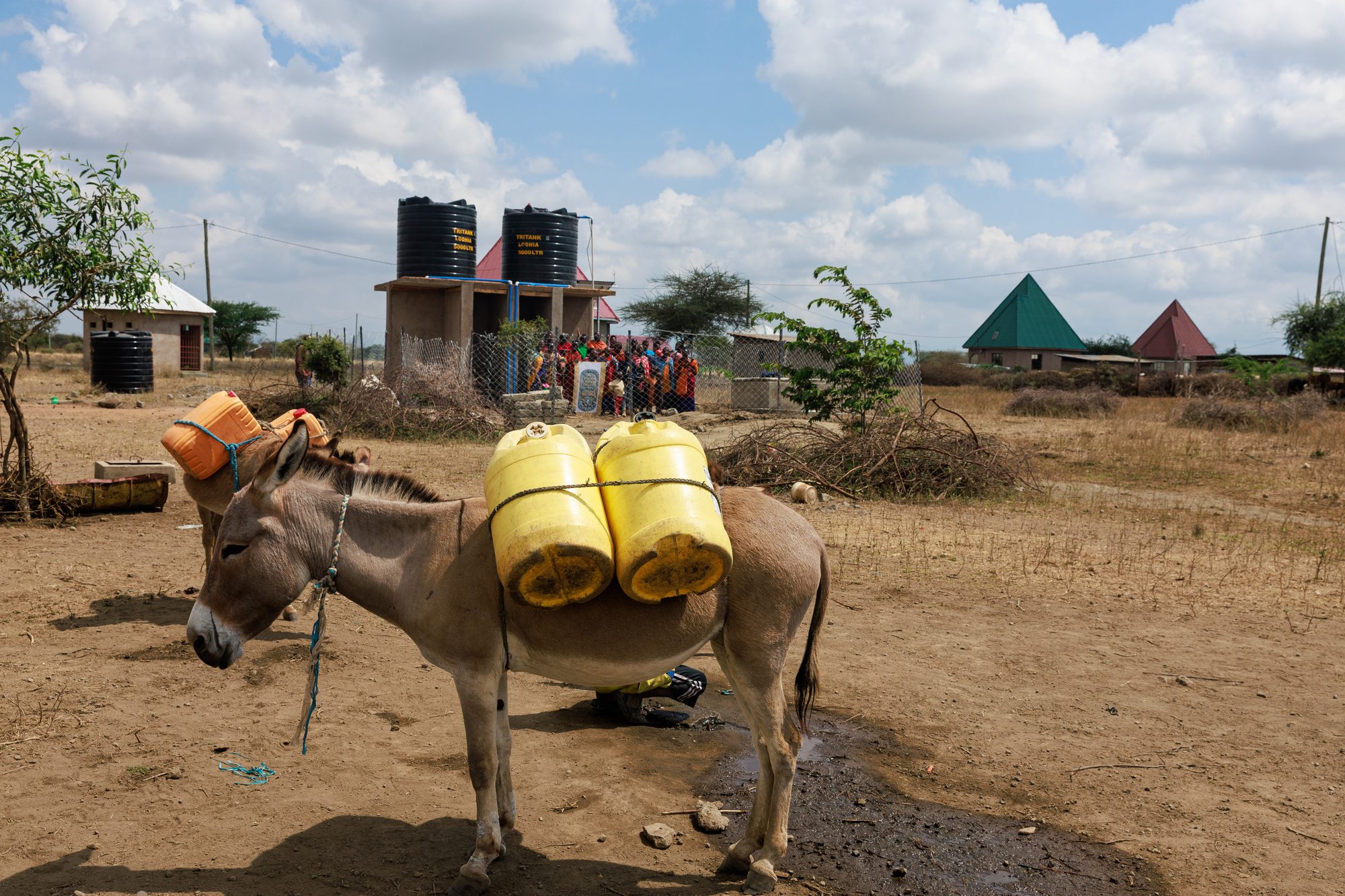
Women and children can walk miles a day to haul water, often by donkey.
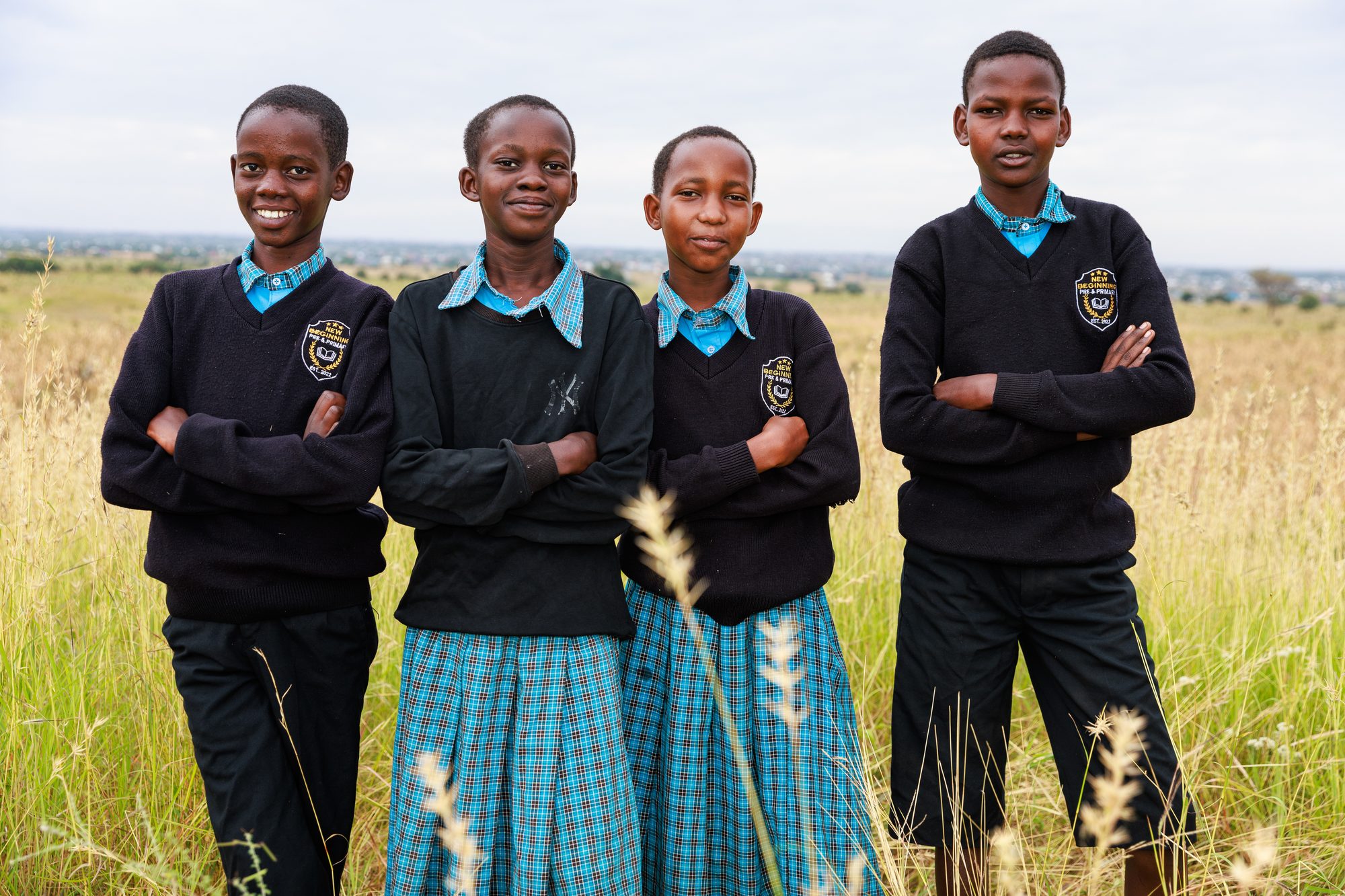
Every school in Tanzania charges fees, which large families often cannot afford.
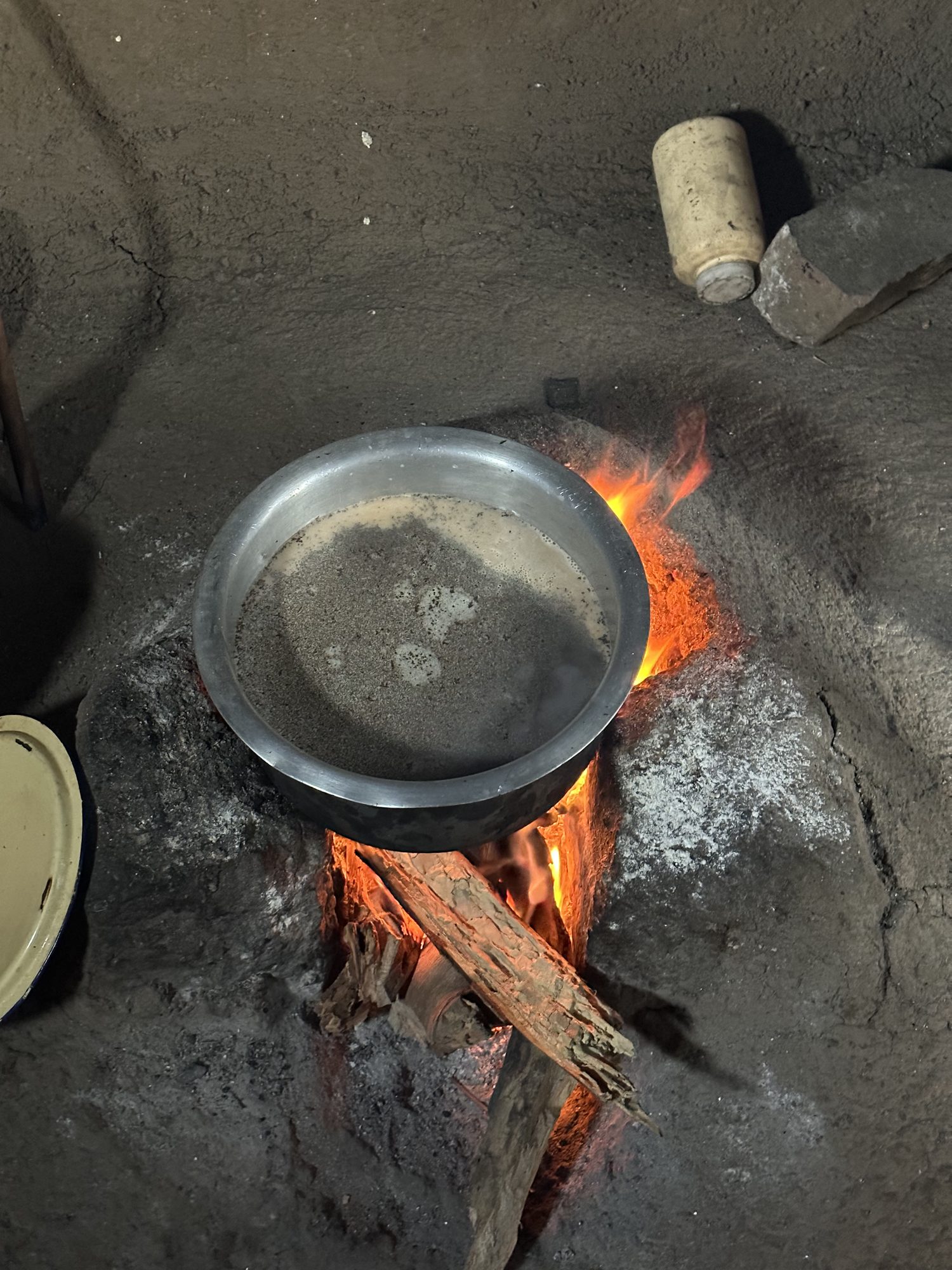
Without electricity, families cook over smoky fires and children study by lantern.
Every dollar stays within the Maasai community.